


Rising Xenophobic Violence in South Africa Prompts Voluntary Return of Nigerians
- May 2
- 2 min read
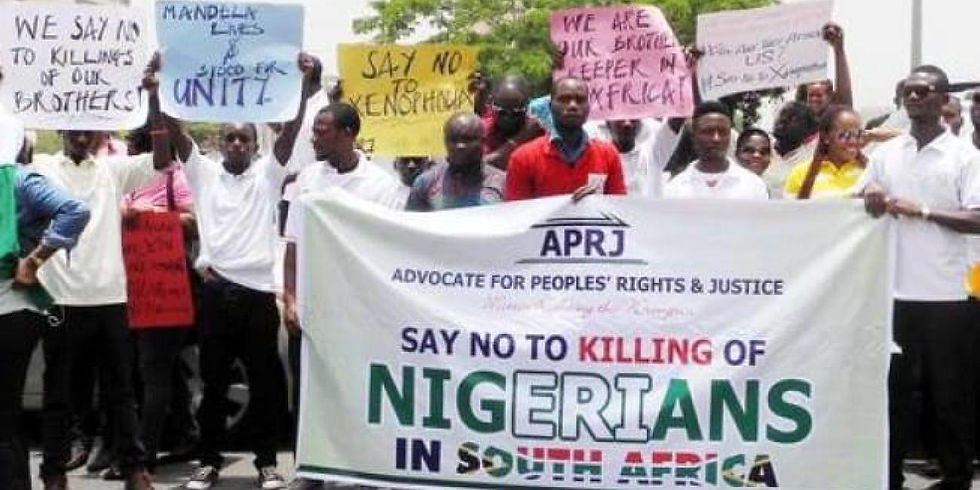
Amid escalating attacks on foreign nationals in South Africa, Nigerian diplomatic authorities and community organisations have begun coordinating voluntary return arrangements for citizens willing to leave the country, as insecurity continues to spread across several urban centres.

The Nigerian Consulate, working alongside the Nigerian Citizens Association in South Africa, has introduced a repatriation arrangement aimed at assisting stranded or vulnerable nationals. Community leaders say the initiative has already attracted significant interest from Nigerians affected by the unrest.
Frank Onyekwelu, who leads the Nigerian Citizens Association in South Africa, noted that the situation has left many Nigerians without viable livelihood options, prompting increasing requests for relocation assistance. He added that the absence of a formal protection structure for victims has deepened uncertainty among migrants.
The unrest has been linked to ongoing anti-immigrant sentiments in parts of South Africa, where groups have accused foreign nationals of contributing to unemployment and economic pressure. These claims have fueled protests that in some cases have escalated into violence against migrants.
Political reactions have also intensified.

Leader of the Economic Freedom Fighters, Julius Malema, criticised the attacks, arguing that violence against immigrants does not resolve economic hardship. He questioned the logic behind targeting foreign traders, stressing that destruction of businesses does not translate into job creation or economic recovery.
From the Nigerian side, government response has included diplomatic engagement and public condemnation of the violence. The Nigerians in Diaspora Commission, led by Abike Dabiri-Erewa, warned that conditions in affected areas have worsened, noting reports of fear among families, including children avoiding school due to safety concerns.
Community accounts further describe a growing climate of fear, with many Nigerians and other African migrants restricting movement and closing shops to avoid further attacks. Informal settlements and small trading hubs are reported to be the most affected zones.
While South African authorities have maintained that security agencies are working to restore order and prevent further violence, tensions remain high, and uncertainty continues to drive demand for voluntary return options among affected foreign nationals.


Comments