


Immigration Scams Nigerians Must Avoid in 2026
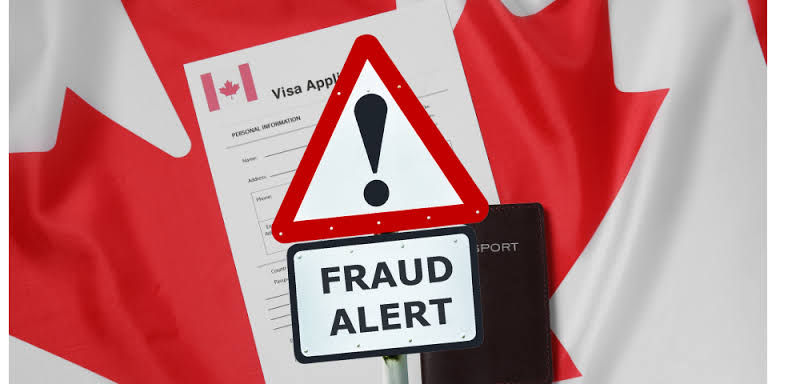
As more Nigerians seek opportunities abroad for education, work, business, and permanent residency, immigration scams continue to evolve. Fraudsters are becoming more sophisticated, taking advantage of people's dreams of relocating to countries such as Canada, the United Kingdom, Australia, Germany, and the United States. In 2026, prospective migrants must be more cautious than ever.

One of the most common scams involves fake job offers. Scammers create convincing employment letters from well-known companies and promise visa sponsorship in exchange for processing fees. Many victims only discover the fraud after making payments or submitting sensitive personal information. Genuine employers typically do not demand large upfront payments before recruitment.
Another growing threat is fake visa agents. These individuals claim to have connections within embassies or immigration offices and guarantee visa approval. No legitimate immigration consultant or agent can guarantee a visa, as final decisions rest with the relevant immigration authorities. Any promise of "100% approval" should immediately raise suspicion.
Scholarship scams also continue to target students. Fraudsters advertise fully funded scholarships and request application fees, interview charges, or document verification payments. While some legitimate institutions may charge application fees, applicants should always verify information through official university or government websites before making payments.
Fake immigration websites have become increasingly sophisticated. These sites often mimic official government portals and trick applicants into paying for forms, services, or appointments that are either free or significantly cheaper through official channels. Before entering personal details or making payments, applicants should carefully check website addresses and confirm they belong to government agencies.

Social media scams remain a major concern. Fraudsters use fake success stories, forged visa stamps, and fabricated testimonials to attract victims. They often create a sense of urgency, claiming limited slots or special immigration programs that require immediate payment. Prospective migrants should independently verify any offer rather than relying solely on social media advertisements.
Another scam involves fraudulent permanent residency or citizenship programs. Scammers promise quick access to foreign passports or residency permits without meeting legal requirements. In reality, legitimate immigration pathways have clearly defined eligibility criteria, documentation requirements, and processing procedures.
To stay safe, Nigerians should conduct thorough research, verify information through official government channels, avoid making payments to unverified individuals, and seek advice from licensed immigration professionals where necessary. Keeping records of all communications and transactions can also help protect against fraud.
The desire to build a better future abroad is understandable, but caution is essential. By staying informed and vigilant, Nigerians can avoid costly mistakes and pursue legitimate immigration opportunities with confidence in 2026.


Comments