


Dual Citizenship 101: Can You Hold Nigerian and Another Passport Simultaneously?
- May 4
- 2 min read
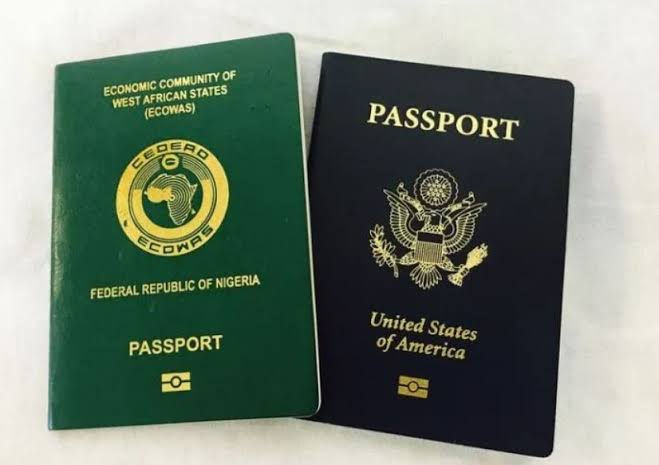
Dual citizenship is no longer a rare concept. For many Nigerians living abroad or with international ties, the question is straightforward: can you legally hold a Nigerian passport alongside another country’s citizenship? The answer is yes, but with important conditions that are often misunderstood.

Under Nigerian law, dual citizenship is permitted, but it is not open-ended. The key rule is this: only Nigerians by birth are allowed to hold dual citizenship. This means if you were born a Nigerian citizen, either within Nigeria or to Nigerian parents, you can acquire another nationality without losing your Nigerian status.
However, the situation changes for Nigerians who are not citizens by birth. If you became Nigerian through naturalisation or registration, you are not allowed to hold another citizenship simultaneously. In such cases, acquiring a second nationality could lead to the loss of your Nigerian citizenship.
For Nigerians by birth, holding two passports is perfectly legal. Many people in the diaspora take advantage of this, especially in countries like the United States, the United Kingdom, and Canada, where naturalisation offers economic and social benefits. Dual citizenship allows them to live, work, and travel more freely while still maintaining strong ties to Nigeria.
That said, dual citizenship comes with practical implications. For instance, Nigeria expects its citizens to enter and leave the country using a Nigerian passport. Using a foreign passport to bypass immigration rules can create complications. On the other hand, your second country may also have its own requirements about how you present your citizenship when travelling.

There are also limitations in public service. Dual citizens are restricted from holding certain sensitive government positions in Nigeria, particularly roles tied to national security. This is based on concerns around loyalty and conflict of interest, and it’s a factor worth considering for anyone planning a political or military career.
Another common area of confusion is renunciation. Nigeria allows citizens to renounce their citizenship, but this is a formal legal process, not something that happens automatically when you obtain another passport. Unless you explicitly renounce it, your Nigerian citizenship remains valid if you are a citizen by birth.
From a documentation standpoint, managing dual citizenship requires organisation. You’ll need to keep both passports valid and understand visa rules, as some countries may still require entry permits depending on which passport you use. It’s not complicated, but it demands attention.
In practical terms, dual citizenship offers flexibility and opportunity, but it also comes with legal boundaries. For Nigerians by birth, it is a legitimate and often beneficial status. For others, it’s not an option under current law. Understanding where you stand is the difference between making a smart move and running into avoidable legal issues.


Comments